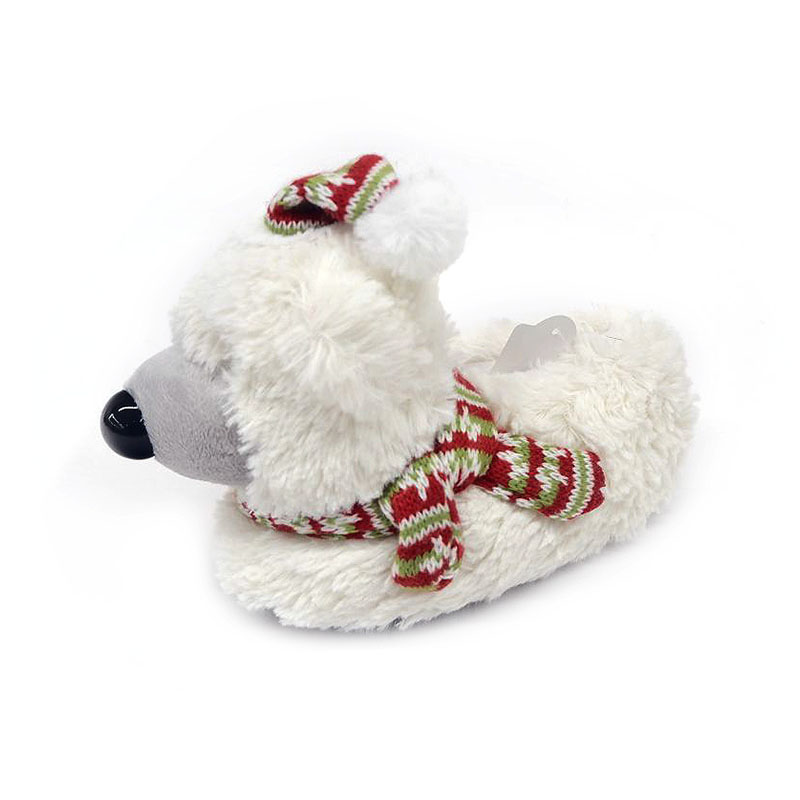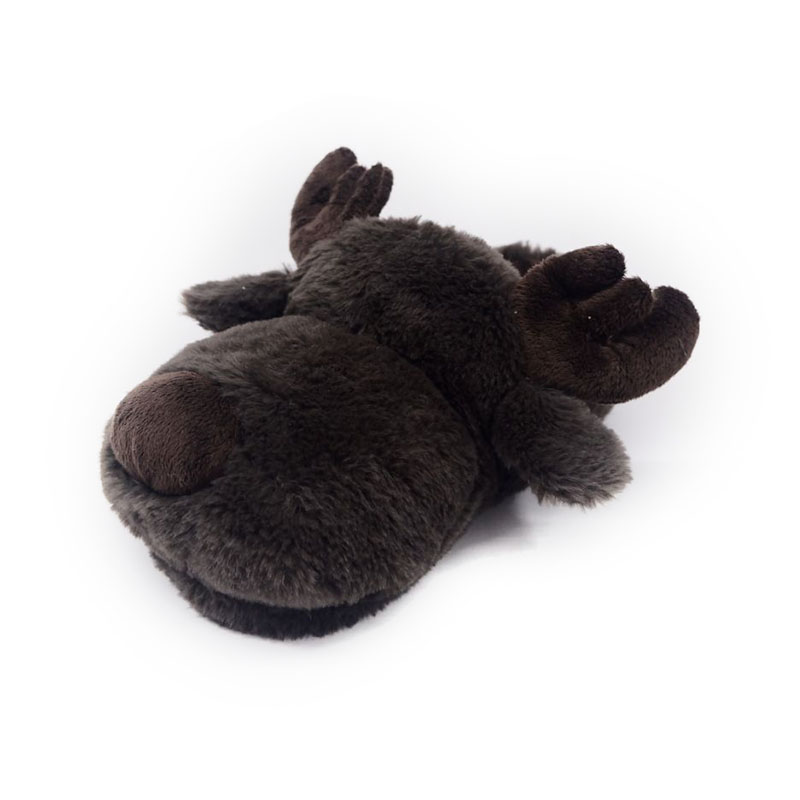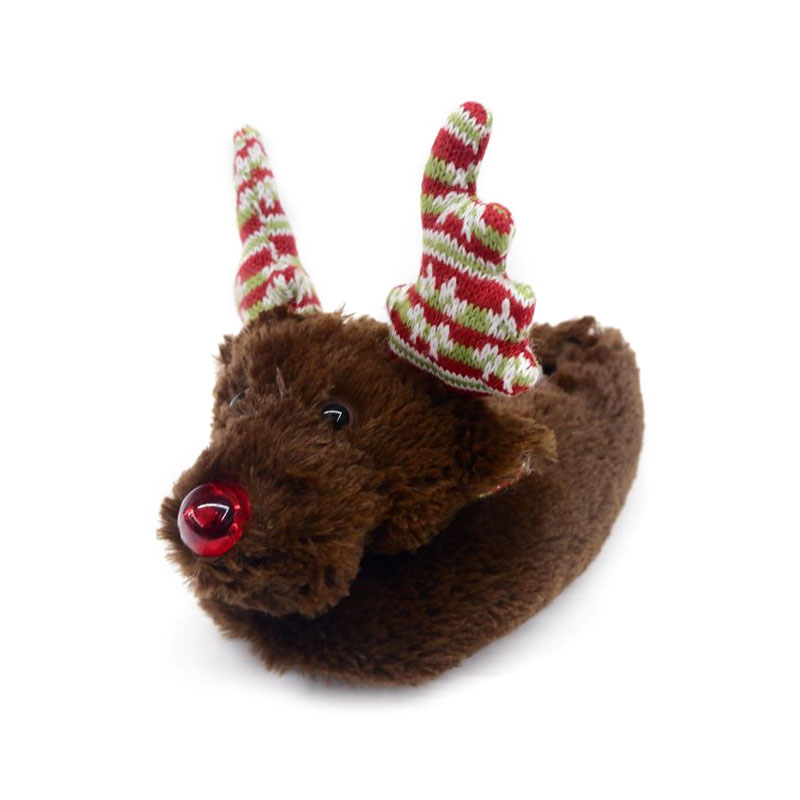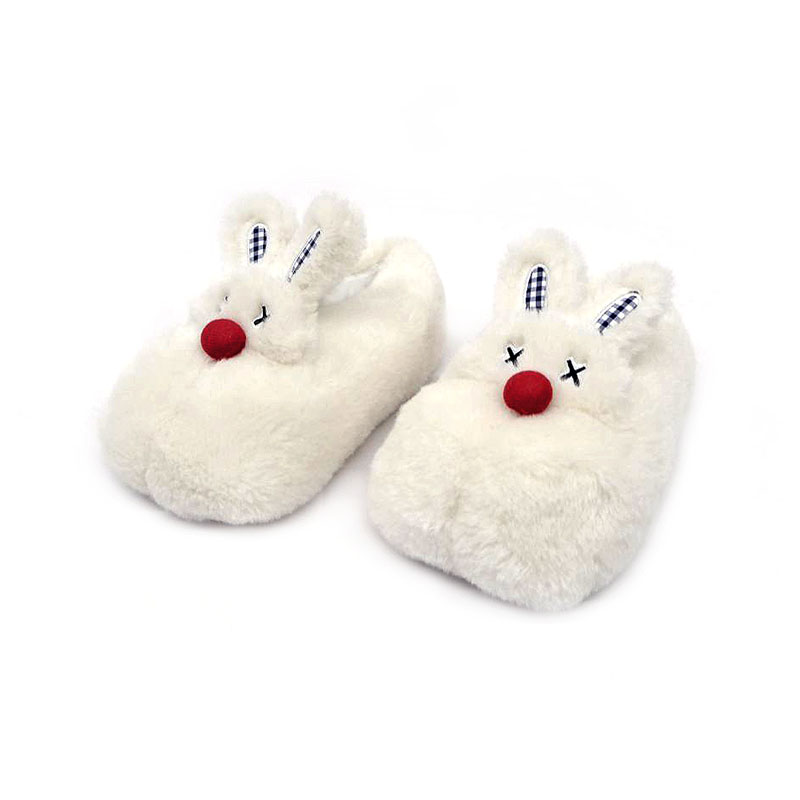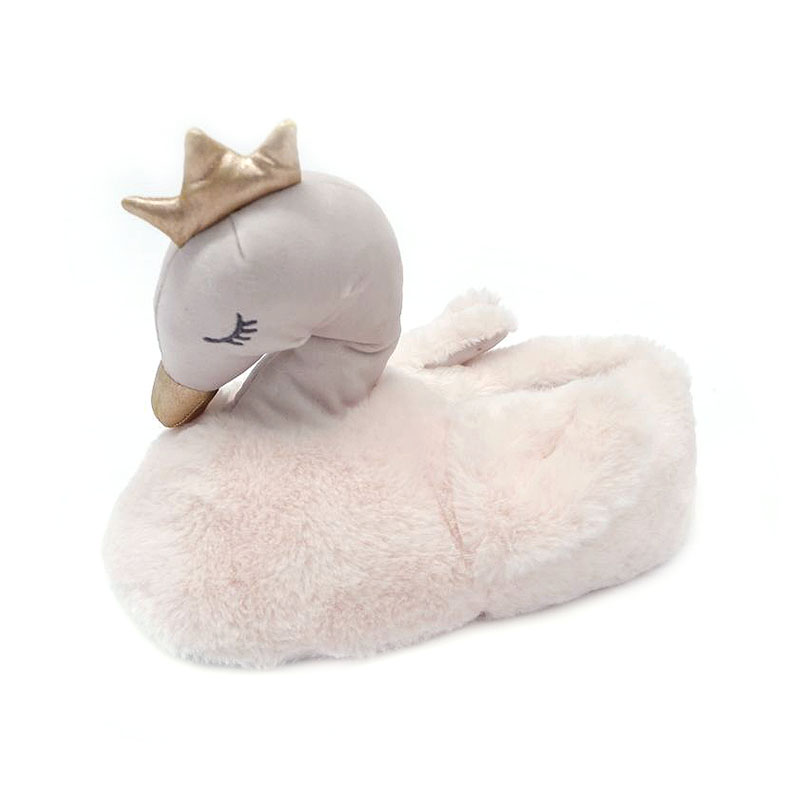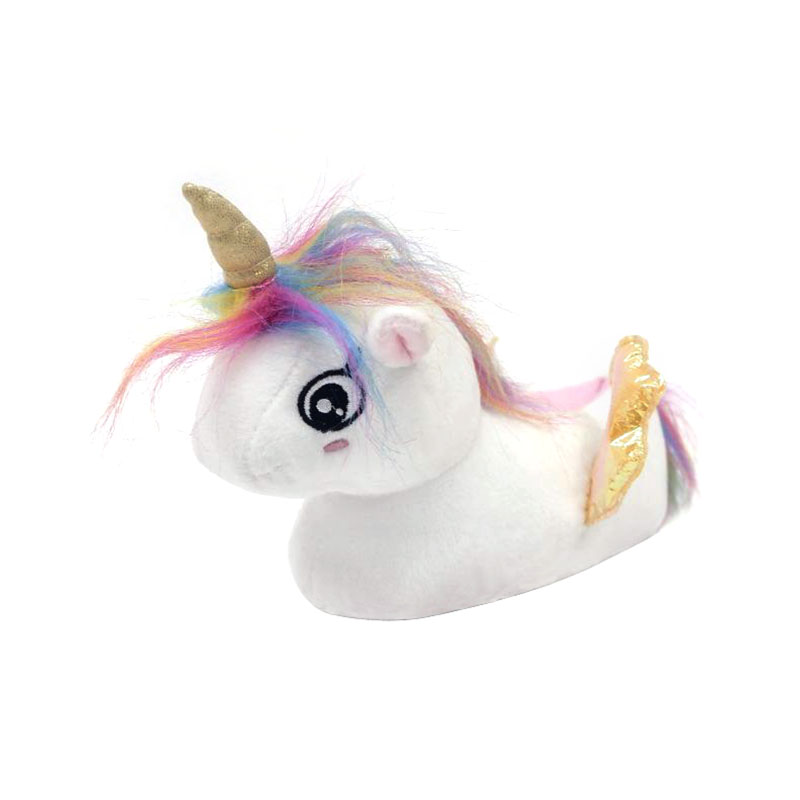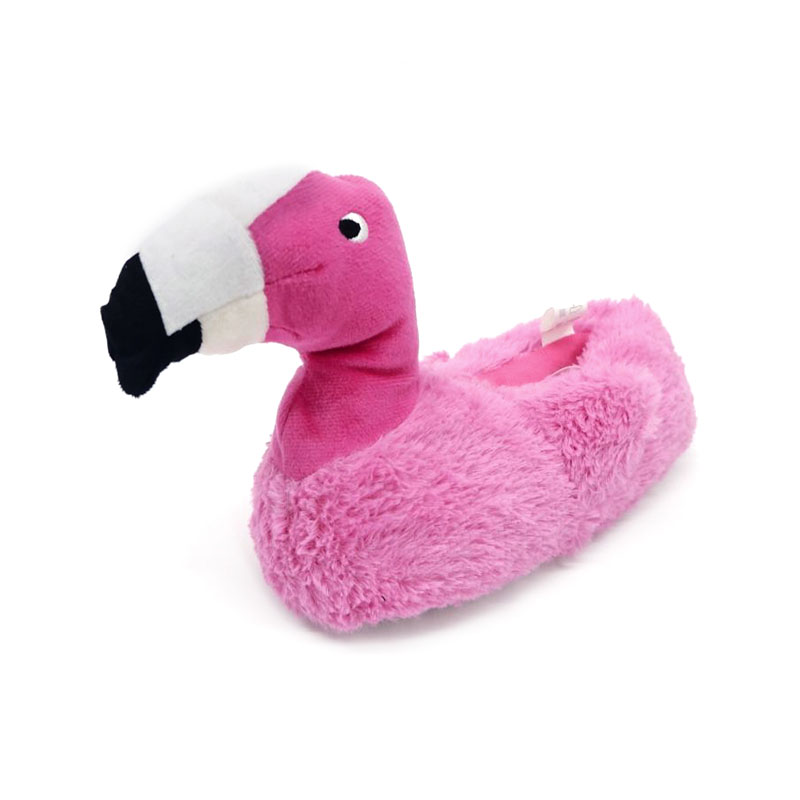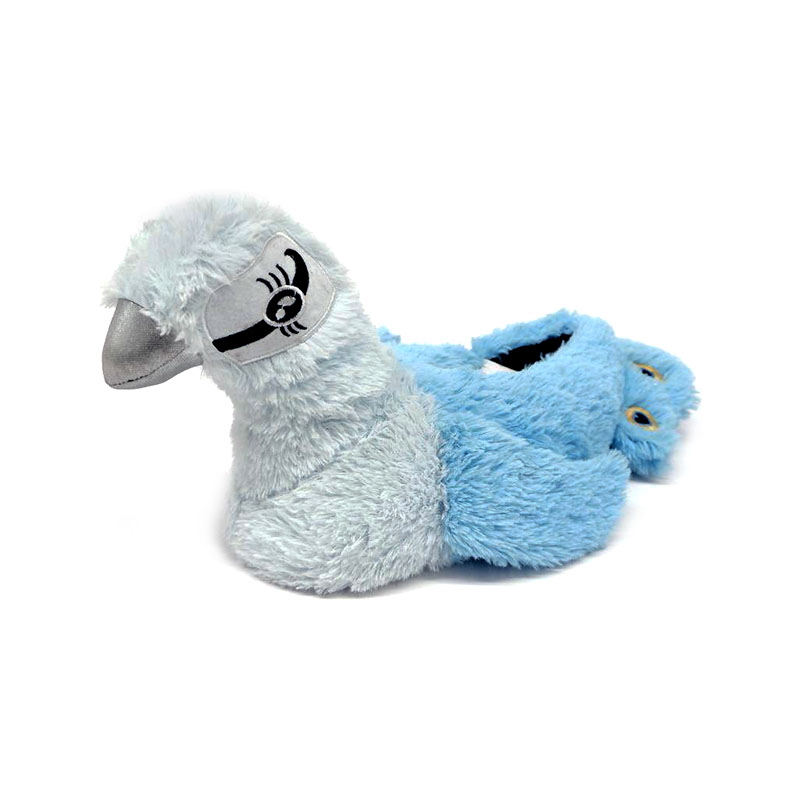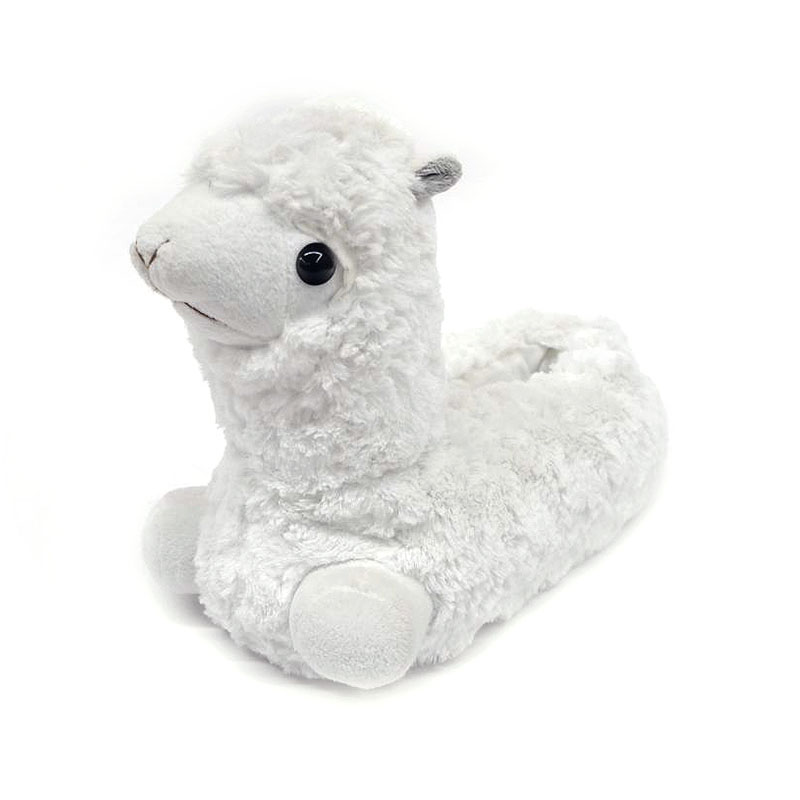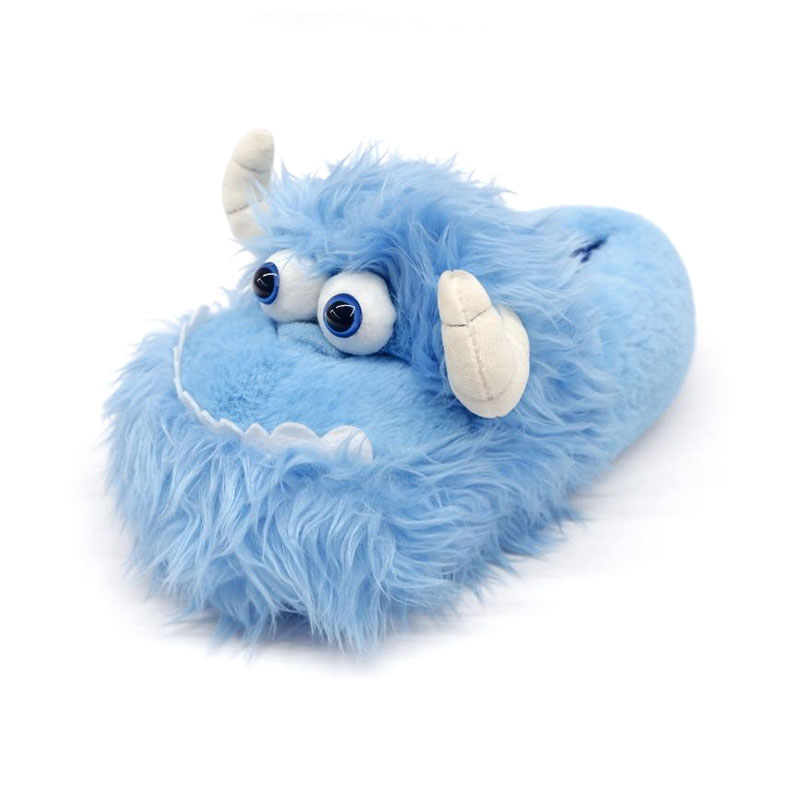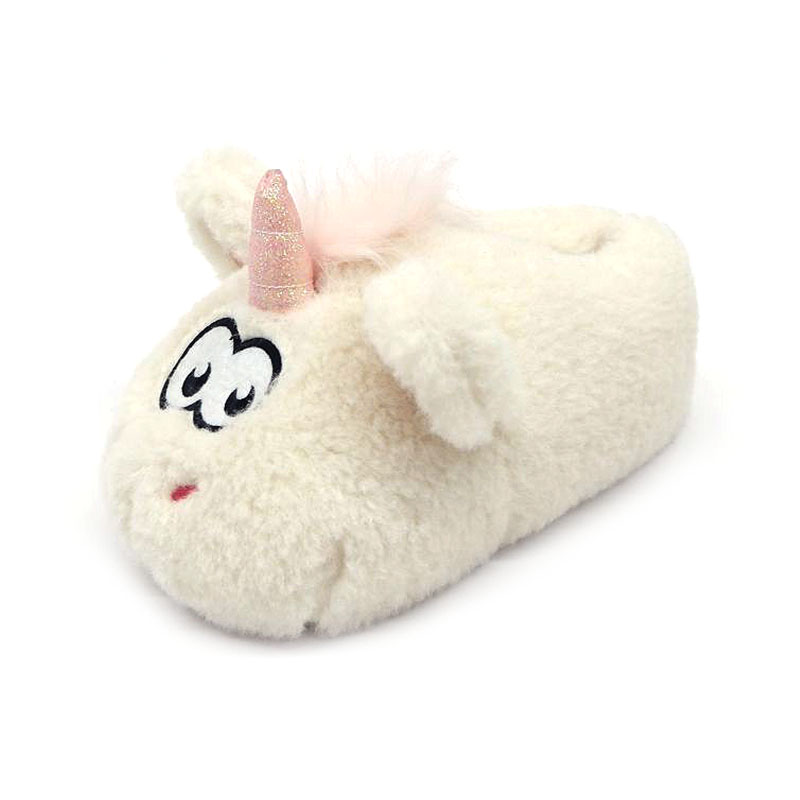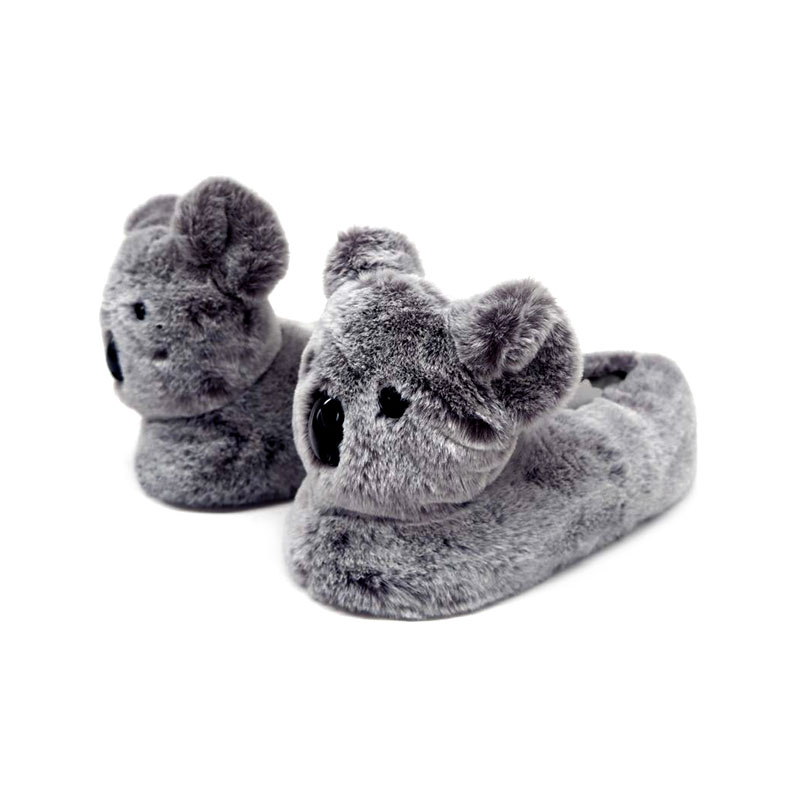
The microfiber slippers generally hold up better after repeated washing compared to Plush Animal Slippers. While Plush Animal Slippers—including styles such as fluffy animal slippers and bunny plush slippers—offer superior softness and aesthetic appeal, they tend to experience faster wear in texture and shape after multiple wash cycles.
In most real-world use cases, microfiber slippers maintain structural integrity for about 25–40 wash cycles, whereas Plush Animal Slippers typically begin showing visible flattening or fiber clumping after 15–25 wash cycles, depending on material quality and washing method.
Material Structure Differences and Their Impact
The durability difference starts with material composition. Plush Animal Slippers, including fluffy animal slippers and bunny plush slippers, are typically made with high-pile synthetic fibers designed for softness and visual appeal. These fibers tend to trap air, making them extremely cozy but more prone to matting after washing.
Microfiber slippers, on the other hand, use tightly woven synthetic fibers that are engineered for resilience and moisture resistance. This structural difference means microfiber slippers maintain their original shape and texture significantly longer under repeated laundering conditions.
- Plush Animal Slippers: High softness, moderate durability, higher risk of fiber clumping
- Fluffy animal slippers: Extra plush density, but faster flattening after washing
- Bunny plush slippers: Decorative design, but more delicate stitching in detailed areas
- Microfiber slippers: Dense weave, high wash resistance, better shape retention
Performance After Repeated Washing
When comparing long-term washing performance, microfiber slippers consistently outperform Plush Animal Slippers in several measurable categories. The most significant differences appear in softness retention, shrinkage, and surface texture stability.
| Performance Factor | Plush Animal Slippers | Microfiber Slippers |
|---|---|---|
| Softness Retention | Moderate decline after 15–20 washes | High retention up to 40 washes |
| Shape Stability | Noticeable flattening after repeated cycles | Strong structural stability |
| Pilling Resistance | Medium to high pilling risk | Low pilling occurrence |
| Drying Time | Longer due to thick pile | Faster drying (20–30% quicker) |
These differences are especially important for users who wash slippers weekly or use machines frequently. Plush Animal Slippers retain aesthetic appeal best when washed gently and less frequently.
Care Instructions and Washing Best Practices
Proper care significantly influences how long both Plush Animal Slippers and microfiber slippers last. However, Plush Animal Slippers require more delicate handling due to their decorative fibers and softer construction.
- Use cold or lukewarm water (below 30°C) to reduce fiber damage.
- Select a gentle wash cycle to protect bunny plush slippers and similar designs.
- Avoid high-speed spin drying, which may deform fluffy animal slippers.
- Air dry naturally instead of using high heat dryers.
- Use mild detergent without strong bleaching agents.
Microfiber slippers are more forgiving and can often tolerate moderate machine washing without significant damage, making them more convenient for frequent cleaning routines.
Real-World Usage Scenarios
User behavior plays a key role in determining which slipper type performs better. Plush Animal Slippers are often chosen for comfort and appearance, especially in home environments where visual design matters. However, microfiber slippers are preferred for daily high-frequency use.
- Occasional home use: Plush Animal Slippers perform well and maintain softness longer between washes
- Daily heavy use: Microfiber slippers maintain durability and structure better
- Cold climate environments: Plush Animal Slippers offer higher warmth but require more maintenance
- High hygiene requirements: Microfiber slippers are easier to wash frequently without degradation
Tips to Extend Lifespan of Both Slipper Types
Extending the lifespan of both Plush Animal Slippers and microfiber slippers depends on washing frequency, drying methods, and storage habits.
For Plush Animal Slippers, including fluffy animal slippers and bunny plush slippers, reducing wash frequency to once every 2–3 weeks can significantly preserve texture quality. Spot cleaning minor stains is highly recommended.
Microfiber slippers benefit from regular washing but should still avoid extreme heat exposure. Both types should be stored in dry, ventilated areas to prevent odor buildup and fiber breakdown.
The balanced maintenance routine can extend usable lifespan by 30–50%, especially when combined with gentle washing practices and air drying techniques.